Getting into soccer is super exciting! Whether you’re kicking a ball around in your backyard or joining a team, knowing the basics can really help you enjoy the game more. Let’s break down some essential soccer fundamentals that every player should know.
First off, let’s talk about dribbling. This is how you move the ball around the field while keeping control. Practice using different parts of your foot—like the inside and outside—to change direction quickly. Set up some cones or just use objects around your yard for dribbling practice. It’s all about getting comfortable with the ball at your feet!
Next up is passing. Passing keeps the game flowing and helps your team work together. The two most common types of passes are the short pass and the long pass. For a short pass, use the inside of your foot to keep it accurate. For long passes, use your laces for more power. Try practicing with a friend or against a wall to improve your passing skills.
Don’t forget about shooting! Scoring goals is the best part of soccer. When you shoot, aim for the corners of the goal for a better chance of scoring. Practice shooting from different distances and angles. You can even work on your technique by shooting while moving or dribbling before you take a shot.
Lastly, positioning is key. Understanding where to be during the game can make a big difference. Pay attention to the ball, your teammates, and your opponents. Keep your head up and always be ready to move. Good positioning helps you make better plays and seize opportunities on the field.
Essential Skills for New Players
Getting into soccer can feel overwhelming at first, but mastering a few essential skills can set you on the right path. Start with dribbling. This is all about controlling the ball with your feet while you move. Practice using both feet and different parts of your foot, like the inside and outside. It helps you get comfortable with the ball, which is super important during a game.
Next up is passing. It’s all about teamwork and getting the ball to your mates. Work on short passes and long passes. Pay attention to the angle of your foot when you kick. A good pass makes it easier for your teammates to take a shot or keep the play going. Try practicing against a wall to keep your skills sharp.
Shooting is another vital skill. You want to make sure you're aiming to score, so practice shooting with power and precision. Focus on hitting the ball with the correct part of your foot, and don’t forget to follow through. Set up some targets in the net or at the goalposts to help improve your accuracy.
Finally, don’t overlook the importance of positioning and movement. Knowing where to be on the field is key. Work on your ability to read the game, anticipate plays, and find space. Whether you’re on the offense or defense, being in the right spot can make all the difference.
Understanding Rules and Game Play
Soccer is all about teamwork and fun! To get started, you want to know some basic rules that keep the game fair and enjoyable for everyone. The game typically has two teams with eleven players each. The aim? Score more goals than the other team by getting the ball into their net. Sounds simple enough, right?
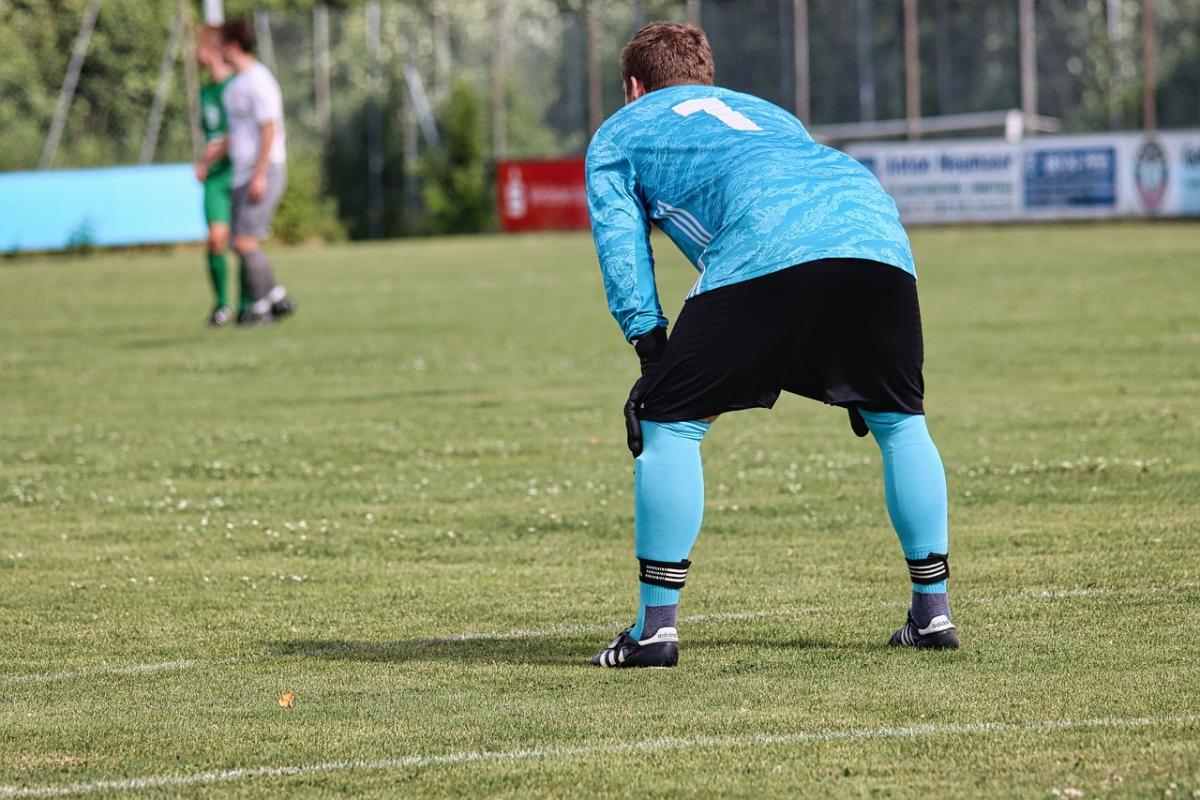
Each match kicks off with a whistle, and the teams try to gain possession of the ball. Players can use their feet to dribble, pass, and shoot, but hands are mostly off-limits, except for the keeper. The keeper is the only player allowed to handle the ball within the penalty area. If you see someone in the box, that might lead to a penalty kick, which is a big moment in any game!
Another important rule you should know is about offsides. A player is offside if they are closer to the opponent's goal line than both the ball and the second-to-last defender when the ball is played to them. This rule helps keep the game flowing and prevents players from just hanging out by the goal, waiting for an easy score.
Fouls happen when players use excessive force or play unfairly. Referees are on the lookout for these and can call free kicks or even give yellow and red cards for more serious offenses. A yellow card is a warning, while a red card means you’re out of the game – no fun for anyone!
Lastly, the game consists of two halves, usually lasting 45 minutes each. After the first half, teams switch sides. Extra time can happen if there’s a tie, but you’ll enjoy every second on the field, guaranteed! Understanding these basics will help you appreciate the beautiful game even more.
Tips for Practicing on Your Own
Practicing soccer on your own can be a game changer. Whether you’re new to the sport or looking to sharpen your skills, having a routine makes a huge difference. Here are some tips to help you get started!
First off, find a good spot. Look for an open space, like a park or a backyard, where you can kick the ball around without interruptions. Make sure you have enough room to dribble and shoot. You don’t need fancy gear; just grab a soccer ball and let’s go!
Dribbling is your best friend. Spend some time just controlling the ball. Use different parts of your foot—inside, outside, and even the soles—to keep the ball close. Set up some cones or markers to zigzag through. This will help you improve your agility and ball control.
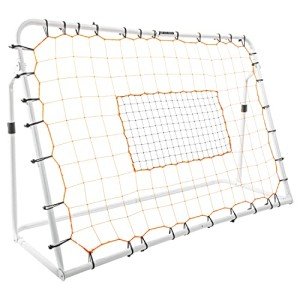
Don’t forget about shooting! Find a wall or goal and shoot some practice shots. Focus on your technique; aim for specific spots in the goal to really work on your accuracy. Try using both feet to kick the ball; it will give you an edge during games.
Lastly, work on your fitness. Exercises like jogging, sprints, and even bodyweight workouts can boost your speed and stamina. Being physically fit helps you keep up with the game and makes practicing much more fun! Remember, every little bit of effort counts, so get out there and enjoy it!