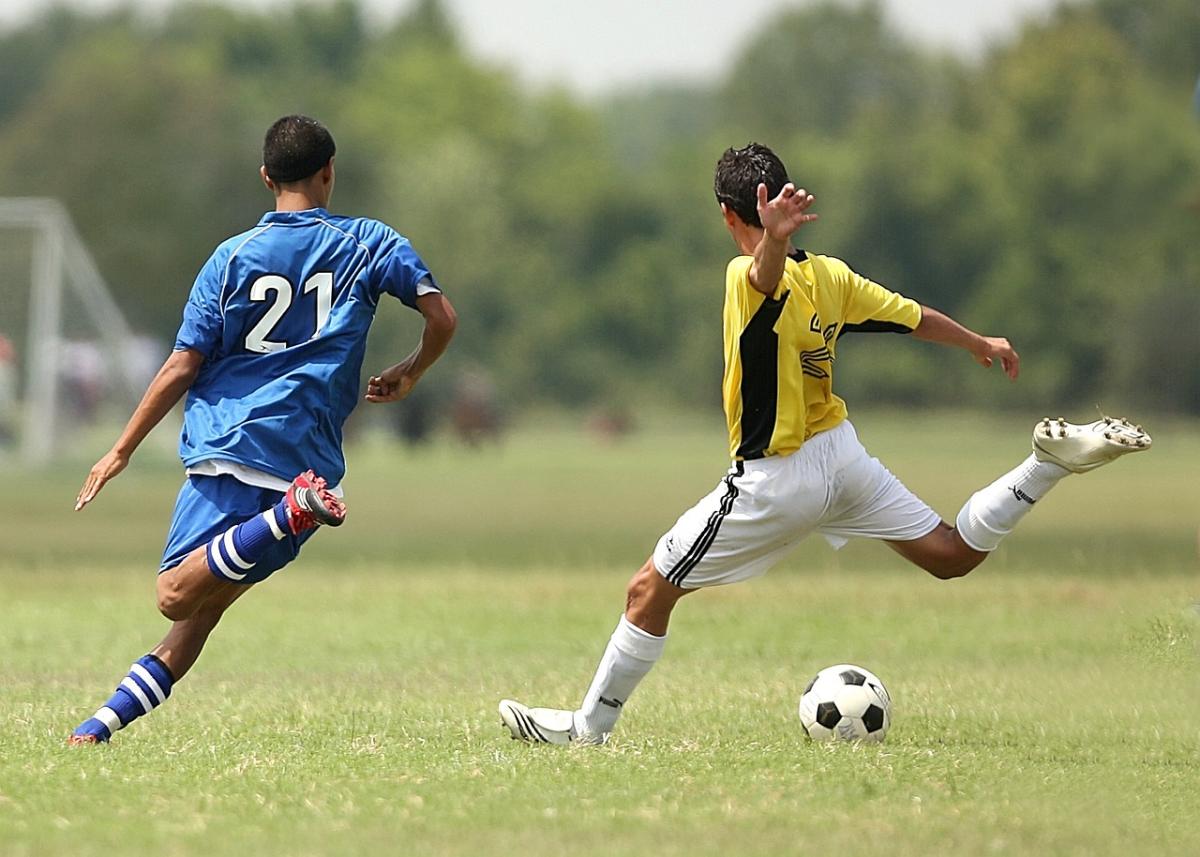
Soccer, known as football in most parts of the world, has a rich history that dates back over 2,000 years. Ancient cultures across different continents played versions of the game. In China, they kicked around a leather ball filled with feathers as early as the Han Dynasty. Meanwhile, the Greeks and Romans also had their own foot and ball games, showing just how long people have loved this sport.
Fast forward to the 19th century, and things start to get really interesting. Different schools in England had their own sets of rules for playing football. It was a bit chaotic, to say the least! This all changed in 1863 when the Football Association was formed. They created standardized rules which helped unify how the game was played. This was a big moment for soccer, as it helped pave the way for the sport's modern format.
As the game spread, so did its popularity. By the late 1800s, countries all over Europe were getting in on the action. Teams began forming, and league play became more structured. Soccer didn't just stay in Europe; it crossed the ocean to places like South America and Africa, where it took on different flavors and styles. Each country added its own twist, making the game even richer.
In the 20th century, soccer became a global phenomenon. Major tournaments like the FIFA World Cup started capturing the hearts of millions. This not only brought fans together but also showcased amazing talent from around the globe. Today, soccer is not just a sport; it’s a huge part of many cultures, bringing people together in ways that few other things can.
The Evolution of Rules
Soccer has come a long way since its earliest days. In the beginning, there weren't really any clear rules. Players just kicked a ball around and fought for control. Over time, people started to realize that a few rules could make the game way more fun and fair.
One of the first major changes was bringing in the concept of a referee. Having someone in charge helped keep things orderly and made sure players followed the rules. The first official rules, called the Laws of the Game, were created in the 1860s. This was when soccer started to look more like the game we know today.
The offside rule has always sparked debate. Originally, being offside was a lot stricter. If you were ahead of the second-last defender when the ball was played, that was offside. Over the years, the rule has been tweaked to make the game flow better. Now, the focus is on creating more chances for scoring, which is exciting for fans.
Another big change was the introduction of yellow and red cards in the 1970 World Cup. These cards quickly let players know when they crossed the line with their behavior. This has helped keep the game cleaner and safer, letting everyone enjoy soccer without all the rough stuff.
Technology has also stepped into the game. The Video Assistant Referee (VAR) is a newer tool that helps refs make the right calls. While it can be a bit controversial, many agree that it helps fix errors during critical moments. Soccer keeps evolving, making it an even better sport for everyone around the world!
Famous Moments in History
Soccer has a rich history filled with unforgettable moments that have shaped the game. One of the earliest legendary instances occurred in 1930 when Uruguay hosted the first-ever FIFA World Cup. They claimed victory, and the excitement set the stage for the global love affair with soccer. The roar of the crowd, the jubilation of the players—it was a moment that made history.
Fast forward to 1966, and the World Cup took center stage in England. The final match against West Germany was nothing short of dramatic. England's Geoff Hurst scored a controversial goal that many still debate to this day. He went on to score a hat-trick, leading England to its first World Cup title. That game is forever engraved in the hearts of soccer fans around the world.
Another unforgettable moment happened in 1998 when France hosted the World Cup. The French team, led by Zinedine Zidane, triumphed on home turf. Zidane’s two headed goals in the final against Brazil sealed the deal, and the celebrations that followed were legendary. It wasn’t just a win; it was a summer for the ages in France.
In 2010, the world was treated to another famous moment when Spain took home the trophy. Their play style, known as “tiki-taka,” dazzled fans everywhere. The final match against the Netherlands went into extra time, where Andrés Iniesta scored the game-winning goal. That moment marked a turning point for Spain, making them a soccer powerhouse.
Soccer's Global Impact Today
Soccer is more than just a game; it's a global phenomenon that brings people together from every corner of the world. It doesn’t matter where you go; you’ll find kids kicking around a ball in streets, parks, and fields. From Brazil to Japan, soccer has a way of connecting cultures and creating memories. Whether it's a casual weekend match or a high-stakes World Cup final, the excitement is contagious.
Look at the World Cup, for instance. It’s not just a tournament; it’s a celebration that unites nations. Fans paint their faces, wave flags, and cheer loudly for their teams. The tournament grabs the attention of billions and showcases incredible talent. It’s amazing how just one month can create such passion and pride in people. Every four years, we witness not just athletic skill but also the spirit of camaraderie and fair play.
Then there’s the impact on local communities. Soccer clubs often serve as a lifeline for neighborhoods. They provide kids with a safe place to play and learn teamwork. Many players start from humble beginnings and go on to inspire others. Efforts to promote youth soccer programs are helping to cultivate the next generation of athletes and bring families closer together.
Let’s not forget the economic boost soccer brings to many regions. Matches drive tourism, create jobs, and support local businesses. Cities invest in stadiums and infrastructure, realizing that soccer is about more than just the sport–it’s an opportunity to grow and thrive. In many parts of the world, soccer truly represents hope, unity, and fun, showing us all how a simple game can have a profound impact on society.